
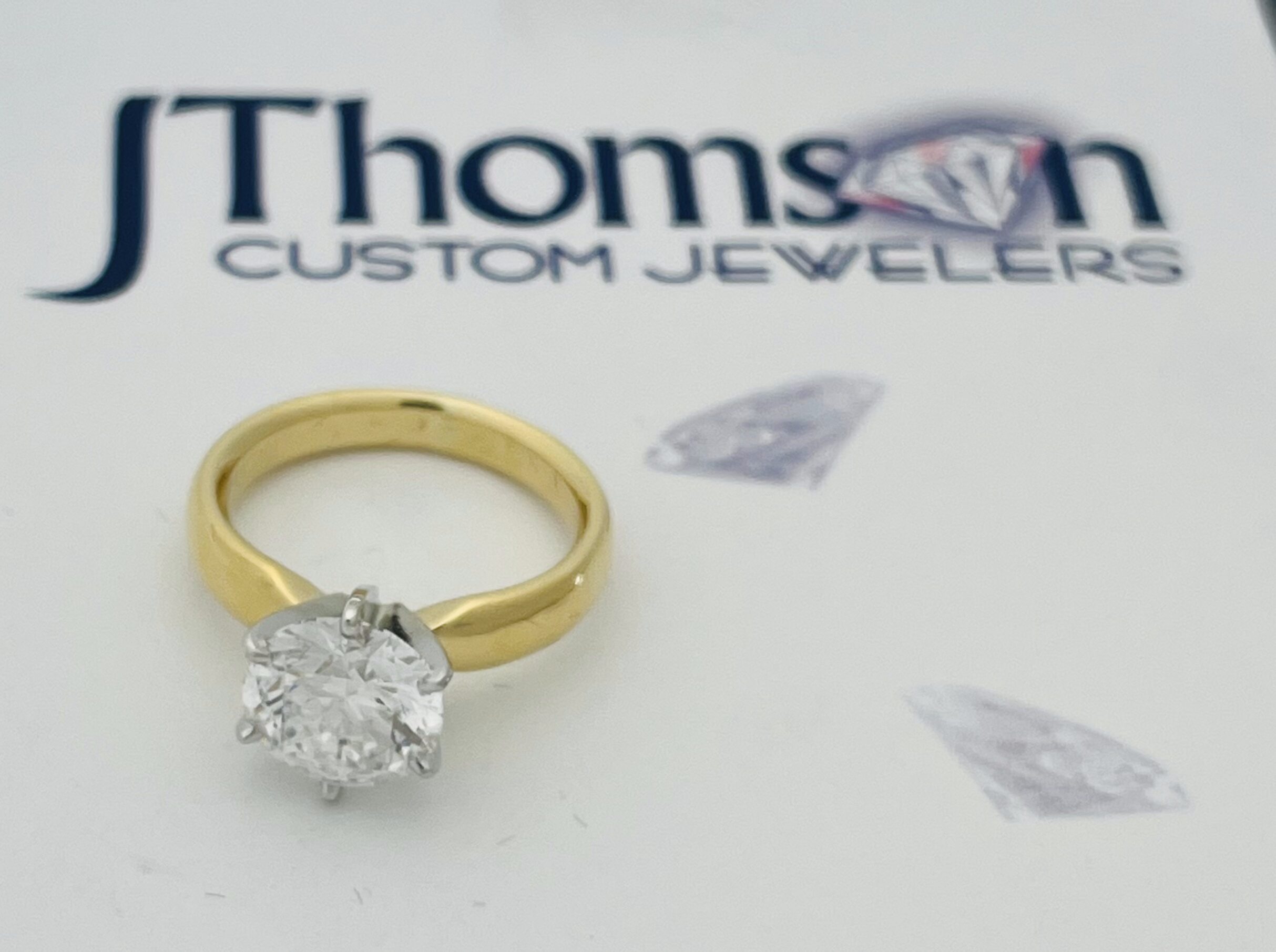
A modern jeweler’s bench is a mix of traditional craftsmanship and evolving technology. Even though the methods have changed over time, the goal remains the same. Each piece must be designed, shaped and finished with accuracy and intention. At J Thomson Custom Jewelers, work begins long before gemstones are set or metal is polished. It starts with the tools, the planning and the steady rhythms that guide every stage.
The Heart of the Bench
Walk into any professional studio and you’ll find a jeweler’s bench arranged with purpose. Every tool has its place because flow matters. Precision work requires a setup that keeps movement natural and efficient. Small touches like the height of the bench pin or the position of the flex shaft make a difference during detailed tasks.
A few essentials you’ll see at nearly every bench:
- Bench pin for sawing, filing and shaping metal.
- Flex shaft for drilling, grinding and polishing.
- Files in different shapes and cuts for refining details.
- Soldering block and torch for joining metal.
- Calipers for quick and accurate measurements.
These basic tools support almost every project, whether a jeweler is crafting custom jewelry in okc or resizing a family heirloom. What changes is how each tool is used in combination with modern techniques.
Planning and Sketching the Design
Before metal is shaped or stones are chosen, a clear design must be laid out. Many jewelers still begin with hand sketches. Drawing by hand helps refine proportions and test ideas before moving to more detailed work. The design process is not rushed. Good planning helps prevent issues later and creates a stronger foundation for the rest of the build.
Digital sketching tools are also common. Jewelers who work with custom projects often combine hand drawings with digital renderings to create layouts that clients can review. This approach makes it easier to adjust the scale or change stone placements before production begins.
CAD and Digital Modeling
Computer aided design has become an important part of the jewelry world. It helps turn concepts into precise models and allows clients to visualize pieces from multiple angles. It also gives jewelers the freedom to explore creative builds that would be harder to design by hand.
With CAD software:
- Intricate patterns can be created with greater control.
- Measurements remain consistent throughout the model.
- Complex stone settings can be planned with high accuracy.
- Multiple versions of a design can be tested without wasting materials.
Digital models are especially helpful for one of a kind pieces like custom bridal jewelry or family-inspired designs. Once the model is ready, it can be prepared for casting or used to create a resin prototype.
Casting the Piece
Casting transforms the digital or hand carved model into metal. Lost wax casting is the most common approach. The wax or resin model is placed in a mold, melted out and replaced with molten metal. This method has been used for centuries because it preserves fine details.
The casting process includes several key steps:
- Creating a clean model with no extra texture.
- Building a mold that can withstand high heat.
- Melting the metal to a consistent temperature.
- Pouring or vacuuming the metal into the mold.
- Removing the rough casting after it cools.
Although tools have improved and temperature controls are more advanced, the principles stay the same. Jewelers must understand metal flow, mold behavior and cooling times to get a clean cast.
Shaping and Refining Metal
After casting, the real bench work begins. The rough piece still carries sprues and extra material that must be removed. Files, burs and sandpaper help clean the surface and shape the form. This stage takes patience. Each pass of the file changes the contour. Jewelers keep the piece balanced by checking the structure from every angle.
Hand finishing gives the piece character. Even with modern equipment, skilled hands guide the final shape. Jewelers understand how to read the metal and how much pressure each tool needs. This stage prepares the piece for stone setting and gives the design its final form.
Stone Setting Work
Stone setting is one of the most delicate parts of the process. It demands steady hands, strong magnification and a clear understanding of each stone’s properties. Harder stones like diamonds can handle firmer pressure. Softer gems require lighter touch.
Common setting tools include:
- Gravers for shaping the seat around a stone.
- Beading tools for securing small gems.
- Burs for carving precise stone seats.
- Polishing wheels for cleaning tight areas.
Every setting must hold the stone securely without overwhelming its appearance. Symmetry matters. Light performance matters. The metal should frame the stone instead of overshadowing it. Jewelers often spend hours perfecting a single setting because a small shift can change how the stone catches light.
Polishing and Surface Finishes
Polishing brings the final shine. Jewelers move through several stages of polishing compounds to create smooth surfaces and highlight details. Some pieces require a mirror finish. Others benefit from a soft satin texture. Finishes help define the personality of the piece and complement the design.
Polishing equipment has improved, but technique still guides the process. Too much pressure can distort edges. Too little pressure creates uneven shine. Jewelers work with intention to produce a finish that enhances the craftsmanship.
Surface textures can also elevate the design. Hammering, brushing and sandblasting add character and contrast. These techniques bring depth to both modern and traditional jewelry styles.
Using Modern Tools for Accuracy
Today’s jewelers work with a mix of traditional hand tools and advanced equipment. Both have benefits. Traditional tools offer control and sensitivity. Modern tools improve efficiency and accuracy. Laser welders are one example. They allow jewelers to join metal with pinpoint precision and minimal heat transfer, which protects delicate stones and detailed work.
Microscopes are another common addition at professional benches. High magnification helps jewelers catch fine details, improve symmetry and create cleaner settings. These tools support quality without replacing the skills that define the craft.
Repair and Restoration Skills
Repair work is a major part of a jeweler’s day. Rings need resizing, chains need fixing and stones need tightening. Modern studios often use ultrasonic cleaners and steamers to remove dirt before repairs, which helps jeweler see cracks or weak points.
Common repair tools and techniques include:
- Soldering torches for rebuilding joints.
- Laser welders for heat sensitive pieces.
- Ring stretchers and reducers for resizing.
- Pliers and mandrels for shaping metal.
- Inspection microscopes for diagnosing issues.
Even simple tasks benefit from strong technique. A clean repair helps extend the life of a piece and protect its sentimental value. Many clients prefer trusted jewelers oklahoma city ok when restoring pieces that carry family history.
The Human Side of the Craft
Behind every finished ring or pendant is a person who shaped it with attention and care. Modern tools improve efficiency, but craftsmanship is still what brings the work together. Jewelers spend years refining skills like sawing, soldering and finishing. These skills allow them to take an idea from concept to completion with confidence.
Jewelry often marks milestones. Engagements, anniversaries, new chapters in life and personal achievements all find their way into custom designs. Understanding the meaning behind each piece helps jewelers create work that connects on a deeper level.
Creating Custom Designs for Clients
Custom work is one of the most rewarding parts of the profession. It blends creativity with problem solving. Clients often bring ideas, inspiration photos or heirloom stones. The jeweler’s job is to interpret the vision, explain what is possible and guide the design toward something durable and beautiful.
Strong communication helps make this process smooth. Clients appreciate clear timelines, realistic expectations and honest guidance. It builds trust and helps create pieces they will enjoy for years.
People seeking custom jewelry okc often want a piece that reflects personal style. Custom work allows for unique combinations of metals, stones and design elements that can’t be found in mass produced jewelry.
The Changing Future of the Bench
Technology will continue to shape the industry. New alloys, more precise equipment and improved modeling programs are already raising the standards of what jewelers can achieve. At the same time, traditional hand skills remain essential. The best results come from balancing both worlds.
Quality craftsmanship still depends on the same core principles: patience, accuracy and an understanding of how metal responds to pressure and heat. When modern tools and traditional methods work together, the possibilities expand while the heart of the craft stays grounded in skill and artistry.
A Craft Built on Skill, Tools and Imagination
The jeweler’s bench is a place where ideas take shape and materials transform into meaningful pieces. Tools support the work, but skill and creativity guide it. From sketching to polishing, each step reflects a blend of tradition and innovation.
If you are ready to explore a custom design or want to learn more about the process, visit J Thomson Custom Jewelers at https://jthomsoncustomjewelers.com/.