
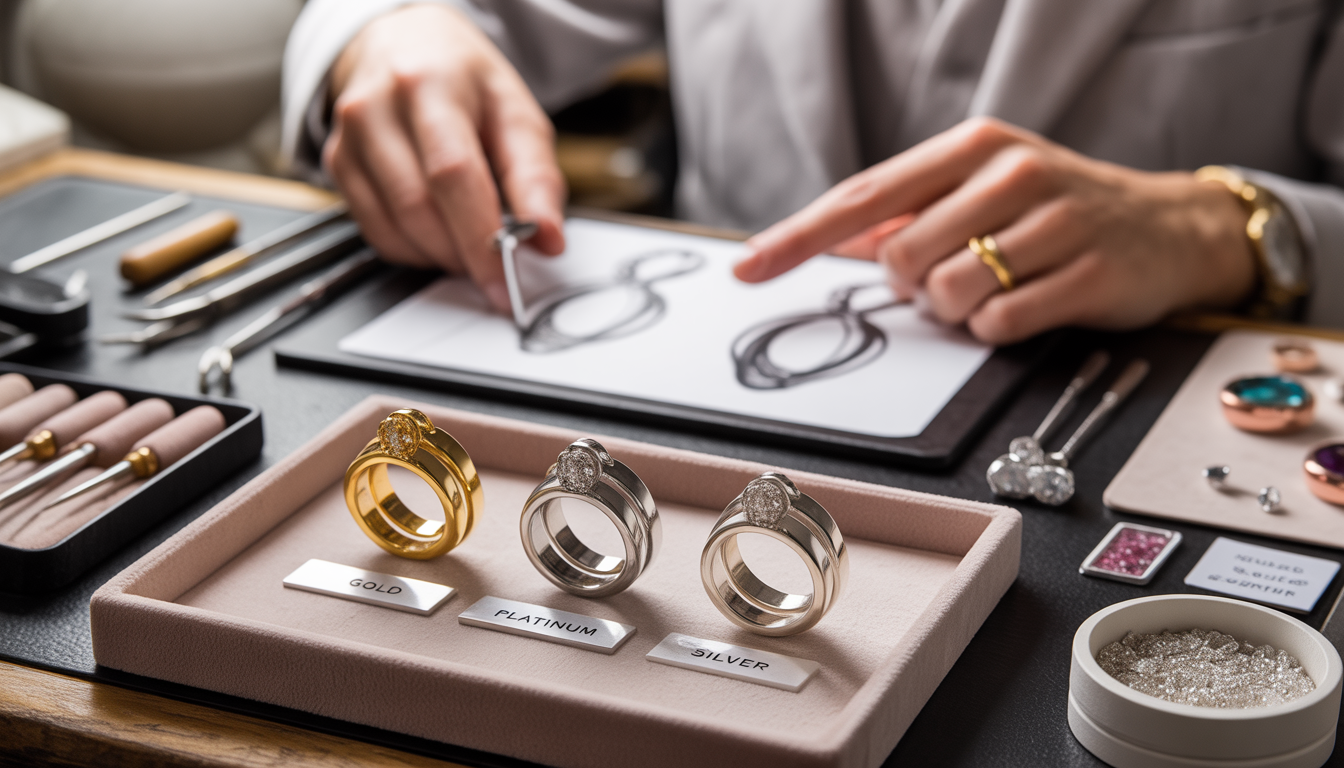
Designing a piece of jewelry from scratch is a meaningful experience. It gives you the opportunity to create something that reflects your personal style, memories, and values. Whether it is a ring, pendant, bracelet, or pair of earrings, the metal you choose plays a major role in how the piece looks, feels, and performs over time.
Gold, platinum, and silver are the three most popular choices for custom jewelry. Each offers distinct qualities, from durability and color to cost and maintenance. Understanding these differences can help you make a confident decision that aligns with both your design vision and lifestyle.
If you are planning a custom jewelry piece in OKC, knowing how each metal performs will help ensure your final design is both beautiful and practical for everyday wear.
Why Metal Choice Matters in Custom Jewelry
When people think about jewelry design, they often focus on gemstones or overall style. However, the metal forms the foundation of the piece. It influences not just appearance, but also durability and comfort.
Key factors affected by metal choice include:
- Durability and resistance to scratches
- Weight and feel on the skin
- Color and overall shine
- Maintenance requirements
- Long-term value
- Compatibility with certain gemstones
For example, a delicate pendant worn occasionally may work well in silver, while an engagement ring meant for daily wear may benefit from the strength of platinum.
Experienced designers who specialize in custom bridal jewelry often guide clients through these decisions to ensure the metal complements both the design and how the piece will be worn.
Gold: Classic, Versatile, and Timeless
Gold has been used in jewelry for thousands of years. Its warm tone, durability, and flexibility make it one of the most versatile metals available.
Understanding Gold Purity
Gold purity is measured in karats. A higher karat means a higher percentage of pure gold.
Common options include:
- 24K gold: Nearly pure, very soft, rarely used for everyday jewelry
- 18K gold: 75 percent gold, balanced with strength and richness
- 14K gold: 58.3 percent gold, highly durable and widely used
- 10K gold: 41.7 percent gold, very strong and budget-friendly
Other metals such as copper, silver, nickel, or zinc are added to improve strength and influence color.
Popular Gold Colors
Gold comes in several shades, making it easy to match different styles.
Yellow Gold
The traditional choice, known for its rich and warm tone. It pairs beautifully with diamonds and colored gemstones.
White Gold
Created by mixing gold with white metals like nickel or palladium. It is usually coated with rhodium for added brightness and durability.
Rose Gold
Made by adding copper, giving it a soft pink hue. It offers a romantic, vintage-inspired look.
Benefits of Gold in Custom Jewelry
Gold remains a top choice because it is:
- Strong and durable when alloyed
- Available in multiple colors
- Easy to shape and engrave
- Resistant to tarnish
- Suitable for both simple and intricate designs
Many engagement rings, wedding bands, and heirloom pieces are crafted from gold because it balances beauty with long-term durability.
Platinum: Strength and Prestige
Platinum is widely considered the most premium metal used in jewelry. It is naturally white, extremely strong, and valued for its rarity.
In fact, platinum is about 30 times rarer than gold. Global production levels are significantly lower each year, which contributes to its higher price.
What Makes Platinum Unique
One of platinum’s defining features is its density. It is heavier than both gold and silver, giving jewelry a solid, luxurious feel.
Unlike white gold, platinum does not require rhodium plating to maintain its color. Its natural white tone stays consistent over time.
It also holds gemstones very securely, making it ideal for engagement rings and detailed settings.
J Thomson Custom Jewelers’ platinum creations use a premium alloy of 95 percent platinum and 5 percent iridium. This specific blend produces a harder and naturally whiter finished piece. The same alloy combination has been used by Harry Winston Jewelers of New York City since the 1920s in their high-end platinum collections.
Advantages of Platinum
Platinum offers several key benefits:
- Exceptional durability and strength
- Naturally white color that does not fade
- Hypoallergenic properties for sensitive skin
- Excellent gemstone security
- High resistance to wear
Over time, platinum develops a soft patina. Many people appreciate this subtle finish because it adds character without compromising the metal’s integrity.
For meaningful pieces such as engagement rings or anniversary jewelry, platinum is often chosen for its longevity and refined appearance.
Silver: Affordable Beauty and Versatility
Silver has long been used in both jewelry and decorative objects. It is known for its bright shine and accessible price point.
Most jewelry is made from sterling silver, which contains 92.5 percent pure silver and 7.5 percent other metals, typically copper. This blend strengthens the metal while maintaining its classic appearance.
Why Silver Remains Popular
Silver is especially popular for fashion jewelry and artistic designs. Its bright tone pairs well with a wide range of gemstones and natural materials.
For instance, colorful elements like abalone shells stand out beautifully when set in silver, as the metal enhances their natural vibrancy.
Silver is also easy to shape and polish, making it ideal for intricate details.
Pros and Considerations of Silver
Silver offers several advantages:
- More affordable than gold or platinum
- Bright and reflective appearance
- Lightweight and comfortable
- Ideal for creative or casual designs
However, silver can tarnish over time when exposed to air and moisture. Regular cleaning and proper storage help maintain its shine.
For occasional wear or statement pieces, silver remains a practical and attractive option.
Comparing Gold, Platinum, and Silver
Choosing the right metal becomes easier when you compare their core characteristics.
Durability
- Platinum is the most durable
- Gold is strong, especially in 14K and 18K
- Silver is softer and more prone to scratches
Color
- Gold offers yellow, white, and rose tones
- Platinum has a natural white color
- Silver provides a bright, reflective finish
Weight
- Platinum is the heaviest
- Gold has moderate weight
- Silver is lightweight
Maintenance
- Platinum develops a patina but keeps its color
- White gold may need rhodium replating
- Silver requires occasional polishing
Cost
- Platinum is typically the most expensive
- Gold varies based on karat and market price
- Silver is the most budget-friendly
Each metal has its place, and the best choice depends on how the piece will be used.
Matching the Metal to the Jewelry Style
Different types of jewelry benefit from different metals.
Engagement Rings and Wedding Bands
Durability is essential. Platinum and 14K or 18K gold are popular choices because they securely hold gemstones and resist wear.
Everyday Jewelry
For pieces worn daily, gold offers a strong balance of beauty and durability.
Statement and Artistic Pieces
Silver is often used for bold designs. Its affordability allows for more creative freedom in size and shape.
Skin Sensitivity and Comfort
Some people are sensitive to certain metals used in alloys.
Platinum is naturally hypoallergenic, making it a safe choice for sensitive skin.
High-quality gold alloys are generally comfortable, especially when they avoid nickel.
Sterling silver is usually well tolerated, though those with sensitivities should confirm with a jeweler.
Long-Term Value and Heirloom Potential
Custom jewelry often carries emotional significance, and many pieces are meant to last for generations.
Platinum and gold are especially suited for heirloom jewelry due to their durability and resistance to corrosion.
Silver can also last a long time with proper care, though it may require occasional polishing or restoration.
Professional appraisal services can help document the value of important pieces for insurance or future planning.
Care Tips for Each Metal
No matter which metal you choose, proper care helps preserve its beauty.
- Store pieces separately to avoid scratches
- Clean with mild soap and warm water
- Avoid harsh chemicals
- Remove jewelry during heavy activity
- Schedule occasional professional inspections
Consistent care protects both the metal and any gemstones.
Finding the Metal That Fits Your Story
The right metal depends on your lifestyle, design preferences, and the meaning behind the piece.
Gold offers timeless elegance and versatility. Platinum provides unmatched strength and prestige. Silver delivers affordability and creative flexibility.
Each option brings something unique to the design process. With the right guidance, your chosen metal will enhance every detail and ensure your piece stands the test of time.
If you are ready to create a custom design or explore your options, the team at J Thomson Custom Jewelers can help turn your ideas into something lasting and meaningful.